
From fingertips to facial scans — how the next wave of payments is rewriting convenience, privacy, and trust for everyday citizens.
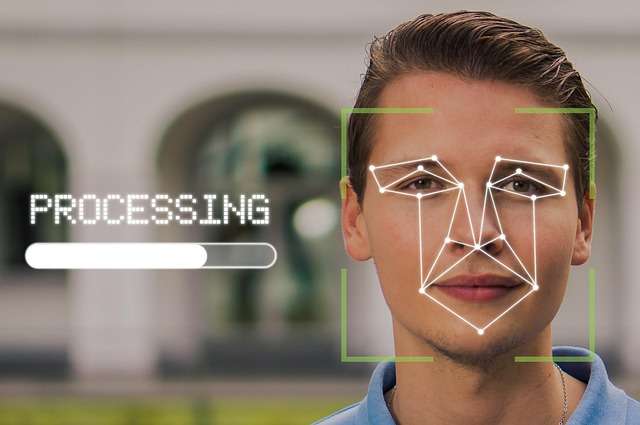
The Payment That Recognizes You
Imagine walking into your local café, ordering your usual latte, and paying simply by smiling at the terminal. No card, no phone, no wallet — just you.
This isn’t science fiction anymore. Biometric payments — using your fingerprint, face, or even your voice — are entering the mainstream. Mastercard, Amazon, and several major banks have already launched pilots across the US, India, and Europe. According to company statements, these systems promise faster checkouts, fewer fraud attempts, and a more “personal” payment experience.
But the question is no longer if biometrics will define the next decade of payments — it’s whether you’re ready for it.
How Biometric Payments Work
Biometric payments authenticate your identity using physical traits that are nearly impossible to duplicate. The technology typically combines three components:
- Capture — Your biometric data (like a fingerprint or facial scan) is collected using a POS terminal, smartphone, or kiosk.
- Encryption & Matching — The data is converted into a digital template, encrypted, and compared against a stored reference.
- Authorization — If the match is confirmed, the payment goes through — no PIN or signature required.
Unlike passwords or cards, your biometrics can’t be “forgotten.” That’s what makes them powerful — and risky.
The Security Paradox
For every promise of convenience, there’s a trade-off in control.
Biometric data, once compromised, can’t be reset. A stolen fingerprint isn’t like a canceled credit card. That’s why payment networks are investing heavily in tokenization — replacing the raw biometric data with encrypted tokens.
According to industry reports, modern biometric payment systems store your data locally on the device (like Apple’s Secure Enclave), not in a central server. Still, some citizens worry about where their “digital selves” truly live — and who might profit from them.
Everyday Benefits for You
From a user’s perspective, biometric payments offer real advantages:
- Speed: Tap, glance, or press — and you’re done.
- Hygiene: Especially after the pandemic, fewer surfaces mean fewer germs.
- Accessibility: No more searching for cards or remembering PINs.
- Security: Harder to fake or steal than passwords.
And merchants love it too: shorter lines, fewer chargebacks, and higher customer satisfaction.
The Privacy Question
Convenience has a price — often, it’s privacy.
As of October 2025, regulations in the EU and India already require explicit consent before biometric data is used for payments. In the US, frameworks like the Biometric Information Privacy Act (BIPA) in Illinois set strict rules, but not all states follow.
So before you enroll your face at checkout, ask yourself:
- Who owns this data — you or the provider?
- Where is it stored, and for how long?
- What happens if you change your mind?
Understanding those rights is key to using biometric payments safely — and confidently.
A Human-Centric Future
The shift toward biometric identity in finance mirrors a larger movement: making technology feel more human. In the coming years, you’ll likely see hybrid systems — where biometrics complement, not replace, traditional cards and wallets.
Ultimately, the success of biometric payments will depend not on how futuristic they look, but how much trust they inspire.
Facts are based on company statements, central bank data, and industry reporting; accuracy checked as of 21 Oct 2025.