
PayPal is a mature payments leader trying to reboot growth without reinventing itself. The realistic upside sits in three lanes—checkout, developer products, and loyalty/ads—if execution tightens and the pieces work together.
What’s working (and why)
Checkout is still the profit engine. Despite fierce competition, the branded PayPal button and newer Fastlane keep the franchise visible at the last click before payment. Fastlane recognizes returning shoppers and autofills verified details to compress guest checkout into near one-click—PayPal’s direct answer to Shop Pay and big wallets. According to company statements, Fastlane is rolling out broadly with a focus on conversion lift, not higher merchant fees. A key metric to watch is guest-to-account uplift, which supports retention beyond the first purchase.
The two-sided network is getting new jobs. PayPal isn’t just a button; it’s a loop. Smart Receipts place personalized suggestions and offers inside the receipt, turning a routine message into a simple re-engagement channel. High monthly open rates translate into free reach; outcomes-based ads and offers can amplify the loop.
In-person acceptance got lighter. Tap to Pay on iPhone and Android through PayPal’s POS stack lets small businesses accept contactless on a phone—no extra hardware. That keeps PayPal relevant in unified commerce (online + in-person) and helps retain merchants end-to-end.
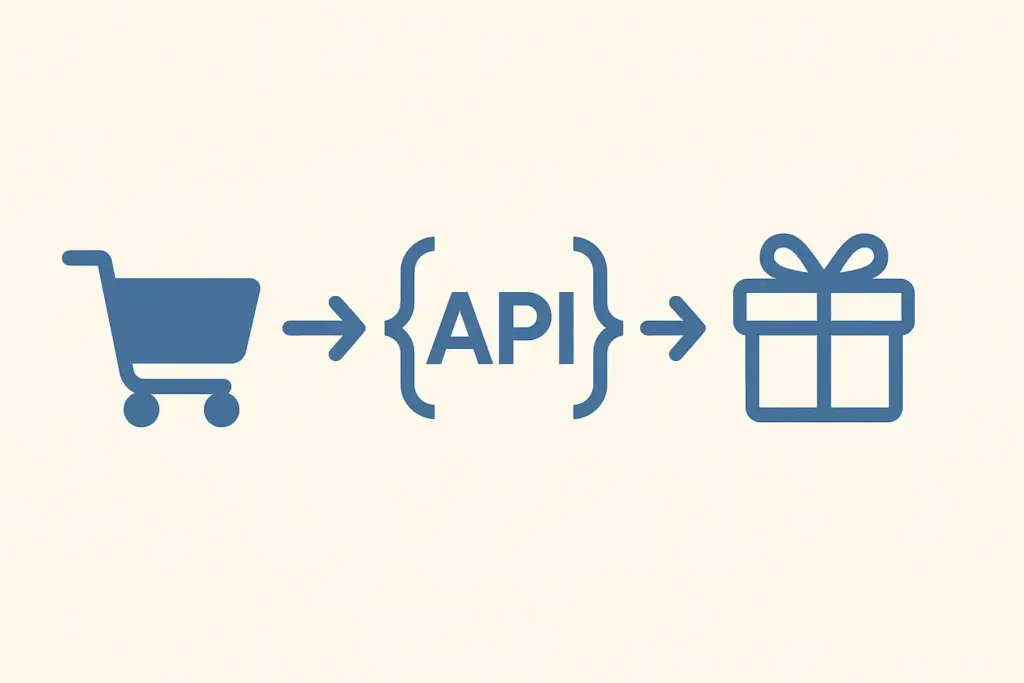
Developers still matter—and PayPal knows it. Braintree and Complete Payments give enterprises a modern gateway—cards, PayPal, Venmo, Apple Pay, Google Pay, local methods—plus vaulting and risk tools. Under PayPal Open, the roadmap aims to unify APIs and reduce silos so builders integrate once and ship faster.
Early steps in loyalty and ads. Under current leadership, PayPal stood up Advanced Offers, cashback mechanics, and a formal PayPal Ads proposition—using aggregated shopping signals to match offers with buyers. If done privacy-first and priced on outcomes, this can be a higher-margin line that also feeds checkout by giving shoppers a reason to return.
Optionality in PYUSD. PayPal’s dollar stablecoin is expanding to more rails and partners. It’s not a near-term P&L driver, but it is useful plumbing that could make cross-border, payouts, and even loyalty settlement cheaper and more programmable over time.
By the numbers
- Checkout conversion delta (Fastlane): sustained uplift vs. guest checkout, visible to merchants.
- TPV mix—branded vs. unbranded: steer toward profitable growth, not volume at any price.
- Receipt opens: very high open rates → built-in remarketing without extra media spend.
- Tap to Pay footprint: monthly active merchants and attach into online identity.
- PYUSD utility: more corridors/integrations → lower unit costs and programmable settlement.
What’s stalling (and why)
The button war intensified. Apple Pay (mobile), Shop Pay (inside Shopify), and Google Pay crowd the button bar. Profits still concentrate in branded checkout, so share loss hurts. Fastlane exists to counter this—but catching up takes time and ruthless A/B execution.
Mix and margin tensions. Unbranded processing (Braintree) scaled fast, but management emphasizes profitable growth, even if that slows total payment volume. Rationally, volume without margin doesn’t fix the reset—though it can make headline growth look muted.
Consumer app engagement is uneven. Venmo is strong in the US, but the “super app” idea cooled. The pivot is to weave value into the edges—receipts, rewards, identity—rather than drag everyone into a heavy app. Success metrics shift from “monthly actives” to “did this improve conversion and repeat purchase?”
Product → Monetization hooks (how value is captured)
| Product surface | Conversion/retention hook | Revenue lever | Owner metric (example) |
| Fastlane checkout | One-click-like guest experience | Take rate / auth rate | Δ conversion vs. control |
| Smart Receipts | Always-on remarketing | Ads/Offers margin | CTR / repeat purchase rate |
| Tap to Pay (POS) | Zero-hardware acceptance | MDR (in-person) | Active merchants / month |
| PayPal Open (APIs) | Faster builds, fewer silos | Enterprise wins, lower churn | Time-to-integrate (weeks) |
| Offers / Ads | Outcomes-priced media | Higher-margin ad revenue | ROAS / incremental sales |
| PYUSD rails | Programmable settlement | Cost to serve ↓ | Unit cost per transaction |
The competitive map (simple version)
Stripe: Developer-first platform with deep financial-ops tools and Link (saved details). Hard to dislodge when engineering picks the stack.
Adyen: Unified online + POS on one platform; prized by global retailers for control and reliability.
Shopify / Shop Pay: A growing buyer network and arguably the best one-click inside Shopify; sets the conversion bar Fastlane must meet off-Shopify.
Apple Pay / Google Pay: OS-level convenience; they don’t replace gateways but compress PayPal’s share of attention at checkout.
Checkout.com & others: Strong in specific regions/verticals with broad local methods and enterprise service.
Bottom line: PayPal doesn’t have to beat everyone; it has to win the assembly—be the connective tissue merchants pick for reach, conversion, and post-purchase lift.
The next 12–24 months (based on public statements)
Double down on checkout speed and trust. Scale Fastlane across platforms and geographies; pair with passkeys to reduce login friction and fraud; keep Apple/Google Pay integrated so merchants don’t have to choose. Expect more conversion-proof promos to accelerate adoption where the delta is clear.
Turn receipts and rewards into a lightweight loyalty network. Make Smart Receipts an always-on remarketing tool for SMBs, expand cashback mechanics, and grow the ads platform so merchants can buy guaranteed reach to buyers with intent—without creepy targeting. Margin lives here if done right.
Ship the unified platform for builders. Land PayPal Open so developers get one coherent chassis—payments, payouts, risk, identity, and offers—rather than product silos. If this cuts time-to-integrate and tech debt, PayPal re-earns its spot on enterprise shortlists.
Expand in-person via Tap to Pay and link it to online identity. Recognize the same shopper in store and online; route receipts and rewards across both. That’s how you defend against pure-play POS providers and justify “full stack.”
Rewire cross-border with more local rails and surfaces. Expect more partnerships that tuck PayPal into high-traffic consumer surfaces and connect to local schemes. Goal: originate and settle payments with less friction outside classic card rails.
Keep optionality in crypto rails without hype. Advance PYUSD utility (more networks, wallets, and merchant use cases) while insulating merchants from volatility. Think plumbing, not headlines.
Execution risks & counterpoints
- Button crowding. Fastlane needs sustained uplift across categories and regions, not a one-off spike.
- Mix–margin optics. Headline TPV may look softer while unit economics improve.
- Privacy & ads. Loyalty/ads scale only with privacy-first design and proven incrementality; otherwise budgets get cut.
- Organizational debt. Without true API unification, the assembly breaks on team hand-offs.
What would change our view
- Bullish: Fastlane shows stable uplift with large merchants across multiple verticals and regions; Open cuts integration to weeks; Offers/Ads drive measurable repeat for SMBs.
- Bearish: Mix drifts to unbranded without margin; Fastlane adoption stalls; Ads fail to prove incrementality; Tap to Pay doesn’t convert into a POS+online identity loop.
Micro-glossary
- Fastlane: accelerated guest checkout with auto-fill of verified details.
- Passkeys: passwordless sign-in using cryptography; reduces friction and fraud in checkout.
- Safeguarding vs. insurance: safeguarded funds ≠ deposit insurance; critical to explain at checkout.
- Outcomes-based ads: pay for measurable results (sales/conversions), not impressions/clicks.
- Time-to-integrate: weeks from decision to merchant go-live.
- Attach rate (POS): share of merchants linking in-person to their online account.
Facts are based on company statements, product briefings, and industry reporting; accuracy checked as of 19 Sep 2025.
This article is for informational purposes only and does not constitute investment advice.